From Grandma's Kitchen to a Million Followers: The Desi Food Creators Turning Masala Into Money
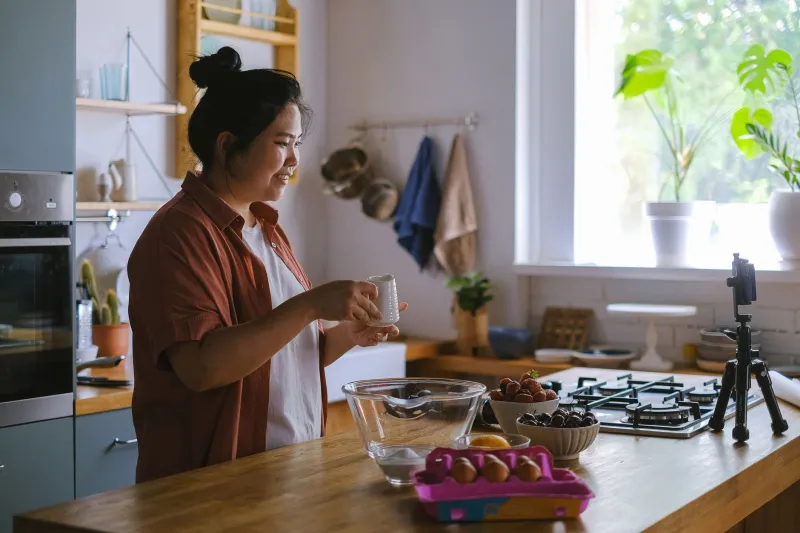
For most of American food history, the path for a South Asian cook with serious culinary ambition looked pretty predictable: open a restaurant, survive the brutal margins, hope a food critic notices you. That script is getting shredded in real time, one TikTok video at a time.
A new wave of desi home cooks is building genuine business empires — not out of commercial kitchens, but from the same countertops where their moms and grandmothers once cooked without an audience. And the numbers behind some of these creators would make even a seasoned restaurateur do a double take.
The Algorithm Loves a Good Dal
It sounds almost too simple: film yourself making your grandmother's dal makhani, add a voiceover that actually explains the why behind every step, and watch the views roll in. But what's happening in this space is way more sophisticated than a lucky viral moment.
Creators like Nisha Madhulika, who built her YouTube channel into one of the most-watched vegetarian cooking destinations on the platform, essentially wrote the playbook before most food influencers even had a strategy. Her approach — clear instruction, zero pretension, deep respect for traditional technique — turned out to be exactly what a diaspora audience desperate for authentic guidance was craving. She didn't need a Michelin star. She needed a good camera and recipes that actually worked.
Newer creators are taking that foundation and adding a Gen Z remix. Think faster edits, trending audio, casual commentary that feels more like texting your cousin than watching a cooking show. The food is still the star, but the personality wrapping it has become just as bankable.
Spice Lines, Merch, and the New Monetization Stack
Here's where it gets genuinely interesting from a business perspective. The most ambitious creators in this space aren't just chasing brand deals with grocery chains (though those deals exist and they're real money). They're building vertically integrated brands where the content is essentially a long-running advertisement for products they actually own.
Spice blends have emerged as the breakout product category. The logic is elegant: you build trust by teaching someone how to cook something delicious, then you offer them the exact spice mix that makes it easier to recreate at home. It's not a shortcut — it's an extension of the teaching relationship. Several creators have launched spice lines that sold out within hours of announcement, with waitlists stretching into the thousands.
Beyond spices, the product ecosystem is expanding fast. Cookbooks, online cooking classes, curated kitchen equipment bundles, even meal kit partnerships — desi food creators are stacking revenue streams in ways that would make a traditional food entrepreneur jealous. And because they own their audience relationship directly, the margins look nothing like a restaurant's notoriously thin ones.
Venture Capital Starts Paying Attention
Money from outside the creator economy is starting to flow in, and that's a significant signal. Investors who spent years overlooking South Asian food businesses as niche plays are waking up to the scale of the market. The South Asian diaspora in the US alone represents enormous purchasing power, and these food creators have demonstrated something invaluable: they know exactly how to reach that audience and make them feel seen.
A few creator-led food brands have quietly closed seed rounds or taken on strategic investment to scale their spice and packaged goods lines into retail. The transition from DTC (direct-to-consumer) social commerce to actual grocery store shelf space is the next frontier, and some creators are already navigating it.
What's compelling to investors isn't just the follower counts — it's the engagement quality. A desi food creator with 400,000 highly engaged followers who regularly cook the recipes and buy the recommended products is a more valuable marketing asset than a general lifestyle influencer with three times the audience and a fraction of the trust.
The Cultural Stakes Are Real
Beyond the business story, something culturally significant is happening here. South Asian food has long suffered from a specific kind of disrespect in American culture — beloved at the restaurant table but dismissed as "too smelly" or "too complicated" in domestic spaces. These creators are systematically dismantling that bias by making the food approachable, joyful, and deeply cool to a generation that grew up code-switching between their parents' kitchen and American cafeteria lunch.
There's also a preservation angle that deserves more attention. Regional Indian, Pakistani, Bangladeshi, Sri Lankan, and Nepali recipes that might have faded from practice in diaspora households are getting documented, celebrated, and passed forward through these platforms. That's not a small thing. That's culinary heritage finding a new vessel.
For second and third-generation South Asian Americans who maybe didn't grow up cooking these dishes, a TikTok tutorial from a creator who shares their cultural background hits differently than a generic food blog recipe. It's permission and instruction wrapped in community.
What's Next for the Desi Kitchen Economy
The momentum isn't slowing. If anything, the space is getting more competitive and more creative simultaneously. Newer creators are finding niches within niches — hyper-regional cuisines, fusion experiments that honor both cultures, content specifically for South Asian Americans navigating dietary restrictions, or cooking for one in a tiny apartment.
The restaurant path to culinary legitimacy isn't going anywhere, but it's no longer the only path. A home cook with a phone, a story worth telling, and recipes that actually deliver is now a viable entrepreneur. And for a community whose food has always deserved more respect than it got, that feels like a genuinely exciting shift.
The spice rack isn't just seasoning dinner anymore. It's building a brand.