Clicks Over Contracts: How Desi Creators Are Cashing In Bigger Than Bollywood
Let's be real for a second. The idea that a Bollywood A-lister or a Hollywood name with a blockbuster resume automatically equals the biggest paycheck in the room? That's starting to feel pretty outdated. A new generation of South Asian creators — based in places like Houston, Toronto, London, and New Jersey — are pulling in brand deals and sponsorship money that would make even seasoned entertainment industry veterans do a double take.
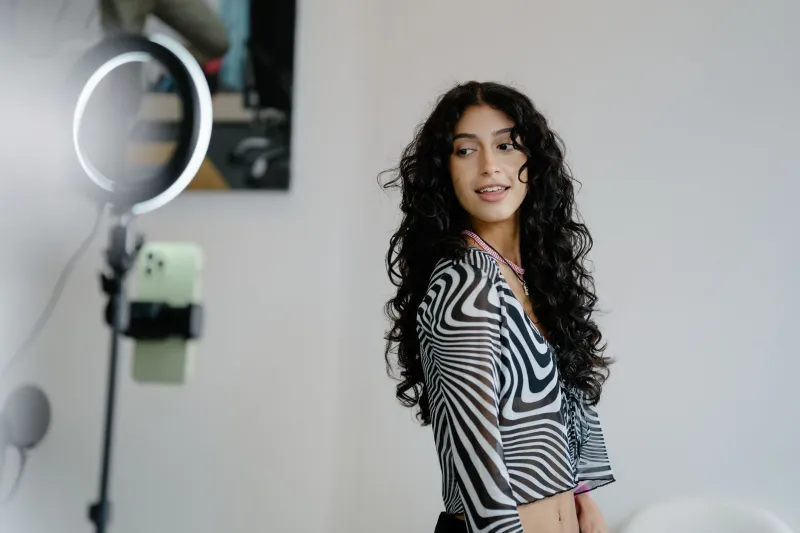
We're not talking about side hustle money. We're talking multi-million dollar content businesses built from ring lights, authentic storytelling, and an audience that genuinely shows up.
The Numbers Don't Lie
Influencer marketing as an industry crossed the $21 billion mark globally in 2023, and South Asian creators are grabbing a growing slice of that pie. Top-tier Desi influencers with audiences in the millions can command anywhere from $50,000 to $300,000 per sponsored post depending on platform, niche, and engagement rate. Run the math on a creator who does a handful of those deals a month — across YouTube ad revenue, Instagram collabs, TikTok creator fund payouts, and merchandise — and you're looking at annual earnings that rival, and sometimes exceed, what many mid-tier Bollywood stars are taking home per film.
The difference? A film deal is a one-time transaction. A creator's audience is a recurring asset.
Why Desi Audiences Are a Brand's Dream
Here's what makes South Asian creators especially valuable to brands: their communities are deeply engaged and remarkably specific. A Desi food creator isn't just attracting people who like cooking — they're pulling in first and second-generation South Asian Americans who are actively looking for products, recipes, and recommendations that actually speak to their lives. That kind of targeted loyalty is worth serious money to the right advertiser.
Brands selling everything from skincare to financial services to wedding planning platforms have figured out that a Desi creator with 800,000 followers who regularly responds to comments and shows up in their audience's daily scroll is worth more than a celebrity endorsement that barely registers. Engagement rates for niche South Asian creators often run two to three times higher than mainstream influencers with comparable follower counts. In the sponsorship world, engagement is currency.
The Business Brain Behind the Content
What separates the creators who are genuinely building wealth from those who are just going viral is business strategy. The most successful Desi influencers aren't winging it — they're operating like media companies. They've got management, they negotiate exclusivity windows, they diversify revenue streams, and they're thinking about brand alignment years down the road.
Take the wave of South Asian creators who've launched their own product lines — everything from spice blends and beauty products to digital courses and clothing collections. These aren't just merch plays. They're vertical integrations. When your audience trusts you enough to buy what you make, you've moved from content creator to entrepreneur. That's a fundamentally different income ceiling.
Some creators are also leveraging their platforms to consult for brands that want to reach South Asian audiences but don't know how. That advisory income, stacked on top of content revenue, creates a financial model that's genuinely resilient.
The Diaspora Advantage
There's something uniquely powerful about being a South Asian creator in the US right now. The diaspora audience — particularly Gen Z and younger millennials — is hungry for content that reflects their actual experience. Not the sanitized, accent-erased, culturally flattened version that Hollywood occasionally serves up. The real thing. The code-switching, the aunty pressure, the masala chai at 11pm, the navigating two worlds simultaneously.
Creators who tap into that authenticity build something that traditional celebrities, with their carefully managed public images and PR teams, often can't replicate: genuine intimacy. And intimacy, it turns out, is extremely monetizable.
Platforms like TikTok have been especially transformative. The algorithm doesn't care about your industry connections or whether you have a publicist. If your content resonates, it finds its audience. That's been a massive equalizer for South Asian creators who might have spent years getting passed over by traditional entertainment gatekeepers but now have direct access to millions of viewers without anyone's permission.
What Bollywood (and Hollywood) Still Have
To be fair, traditional celebrity still carries weight that influencer status can't fully replicate — yet. A Bollywood star's face on a billboard in Mumbai or a Hollywood name attached to a prestige project still opens doors that a TikTok following doesn't automatically unlock. There's cultural cachet, international press, and a kind of aspirational mythology that the film industry has spent a century building.
But the gap is closing faster than anyone in those industries probably wants to admit. And increasingly, the smart move for traditional celebrities is to build their own creator presence — because that's where the audience relationship actually lives now.
The New Power Map
What we're watching in real time is a redistribution of entertainment power. The old model said that studios, labels, and production houses controlled the chokepoints — distribution, visibility, money. The new model says that anyone with a phone, a story, and the consistency to show up for their audience can build something that competes.
For South Asian creators specifically, this is a moment that feels genuinely historic. A community that spent decades watching itself get sidelined or stereotyped in mainstream media is now producing some of the most financially successful content operators in the game — on their own terms, in their own voice, with their own aesthetic.
Kora Saha has been watching this shift from the beginning, and one thing is clear: the Desi creator economy isn't a trend. It's an infrastructure. And the people building it right now are laying the foundation for something that's going to look very different — and very powerful — five years from now.
The question isn't whether South Asian creators belong at the table. They built their own table. The question is who else is going to catch up.